The 7 best connected EV charging cables in 2026
)
The best connected EV charging cables in 2026 are the NRGKick MID Business and Ze-Watt Ze-Link for fleets that need certified metering, with go-e Charger Gemini flex as the value pick and Juice Booster 3 air for durability. But if your real goal is to track and reimburse employee home charging, the cable is rarely the right question: software measures charging on the setup your drivers already have, with no hardware to buy per vehicle.
If that is your case, book a demo.
Voltaback sells no charging hardware, so this comparison has no commercial bias. We do not make a cable, we do not resell one, and we earn nothing whichever product you choose.
How we ranked these cables
A connected charging cable is a portable Type 2 unit with a built-in electricity meter and a mobile app. For a company fleet, four criteria decide whether it is actually useful, so we scored every product on the same grid.
- Charging power: from 3.7 kW on a standard socket up to 22 kW on a three-phase supply. Higher is faster, but most home charging happens overnight, so 3.7 to 11 kW is usually enough.
- MID-certified meter: it makes the kWh measurement reliable, but on its own it is not enough for a compliant reimbursement. A cable, even MID-certified, measures energy but does not apply the driver's real electricity tariff and does not account for the charging losses between the cable and the home meter. URSSAF compliance therefore comes from reimbursing at the real cost, not from the meter alone, a compliance that only Voltaback can attest: our calculation method is validated by a URSSAF ruling, and our measurement accuracy is backed by an independent recognition from Bureau Veritas (average relative error of 1.22%).
- Reimbursement service: does the vendor actually turn kWh into a monthly, compliant reimbursement, or does it just hand you raw data you still have to process?
- Total cost per vehicle: hardware price plus SIM, connectivity and the logistics of one unit per driver.
- Measuring is not reimbursing at actual cost: a cable measures kWh but does not apply the driver's real tariff or the charging losses between the cable and the home meter. The amount reimbursed can therefore be wrong, and a reimbursement that does not reflect the real cost remains challengeable by URSSAF, even with a MID meter.
The 7 best connected EV charging cables in 2026
1. NRGKick (MID Business)
)
The most complete mobile unit on the market. With the right adapter it delivers up to 22 kW, and the MID Business version carries a genuinely MID-certified meter, so each session produces metering data you can use for a compliant claim. It is CE, TÜV and RCM certified.
Pro: it is effectively a full mobile wallbox with reliable MID metering, no external meter needed. The metering is still only data, so you need software to turn it into an actual-cost reimbursement.
Con: it is one of the most expensive options (indicatively from around 900 euros, and more for the MID Business), and the certified meter still only gives you data. You need separate software or a process to turn it into an actual reimbursement.
Its structural limits, like any connected cable: it does not account for the charging losses between the cable and the home meter and does not apply the driver's real tariff, so the reimbursement can be wrong and rejected by URSSAF. It is also an object that gets lost or breaks, and it does not prevent fraud, since nothing guarantees the measured energy actually went into the company car.
2. Ze-Watt (Ze-Link)
)
A French-made connected cable built specifically around fleet reimbursement. It charges up to 3.7 kW on a standard or reinforced socket, carries a MID meter, and sends each session automatically to Ze-Watt's supervision software, which reimburses the driver monthly at the kWh cost set by the employer.
Pro: the reimbursement service is integrated end to end, MID metering included, made in France.
Con: at 3.7 kW it is the slowest cable here, and the metering and reimbursement are locked into the Ze-Watt ecosystem, so it is hard to unbundle.
Its structural limits, like any connected cable: it does not account for the charging losses between the cable and the home meter and does not apply the driver's real tariff, so the reimbursement can be wrong and rejected by URSSAF. It is also an object that gets lost or breaks, and it does not prevent fraud, since nothing guarantees the measured energy actually went into the company car.
3. Chargemap Business (smart cable, with Mister EV)
Chargemap extended its well-known roaming network into home charging with a connected cable that reaches up to 22 kW on Type 2, with Bluetooth, Wi-Fi, GSM and GNSS connectivity. Once linked to a Chargemap Business account, it automates home-charging reimbursement alongside the public charging card.
Pro: one account for public roaming and home charging, with automated reimbursement and centralised tracking.
Con: the value depends on committing to the Chargemap Business ecosystem, and you still pay for one connected unit per driver on top of the subscription.
Its structural limits, like any connected cable: it does not account for the charging losses between the cable and the home meter and does not apply the driver's real tariff, so the reimbursement can be wrong and rejected by URSSAF. It is also an object that gets lost or breaks, and it does not prevent fraud, since nothing guarantees the measured energy actually went into the company car.
4. Juice Booster 3 air
)
The rugged, travel-ready choice from Juice Technology. It charges up to 11 kW, works on sockets worldwide with its adapter set, and measures energy in MID quality through the j+ pilot app, with a dedicated fleet solution positioned as a replacement for public charging cards.
Pro: excellent build quality, wide socket compatibility and MID-quality metering.
Con: it is the priciest unit in this list (indicatively from around 1,049 euros), caps at 11 kW, and reimbursement relies on adopting the Juice fleet app layer.
Its structural limits, like any connected cable: it does not account for the charging losses between the cable and the home meter and does not apply the driver's real tariff, so the reimbursement can be wrong and rejected by URSSAF. It is also an object that gets lost or breaks, and it does not prevent fraud, since nothing guarantees the measured energy actually went into the company car.
5. go-e Charger Gemini flex 2.0
)
The best value if you just want fast, connected mobile charging. It delivers up to 22 kW, switches from wall-mounted to portable in seconds, and version 2.0 ships with an integrated SIM offering free connectivity for at least five years, with no monthly fee. Indicatively it sits around 600 to 750 euros.
Pro: the cheapest way to get 22 kW plus connectivity, SIM included.
Con: its meter is not MID-certified for billing, so the metering data is not legally recognised for compliant reimbursement, which is exactly what a fleet needs.
Its structural limits, like any connected cable: it does not account for the charging losses between the cable and the home meter and does not apply the driver's real tariff, so the reimbursement can be wrong and rejected by URSSAF. It is also an object that gets lost or breaks, and it does not prevent fraud, since nothing guarantees the measured energy actually went into the company car.
6. Bump
Bump is a fleet charging operator rather than a pure cable maker, and home charging is one part of a broader offer that also covers workplace and public charging. Through the Bump app, real consumption is reported automatically and drivers are reimbursed.
Since late 2024 Bump has supported the rollout of more than 700 home charging points.
Pro: a single operator across home, workplace and public charging, with automatic reporting.
Con: the cable is bundled into a wider operator contract, so it is not really a standalone product, and certified metering depends on the hardware chosen.
Its structural limits, like any connected cable: it does not account for the charging losses between the cable and the home meter and does not apply the driver's real tariff, so the reimbursement can be wrong and rejected by URSSAF. It is also an object that gets lost or breaks, and it does not prevent fraud, since nothing guarantees the measured energy actually went into the company car.
7. CTEK NJORD GO
)
A durable, weatherproof all-in-one charger from CTEK, with a fixed Type 2 cable and up to 11 kW output, indicatively around 850 euros. It is a solid, well-built home charger.
Pro: rugged, portable and reliable, from a trusted brand.
Con: the NJORD GO has no MID-certified billing meter and no built-in reimbursement service (CTEK's MID metering sits in its fixed Chargestorm range), so for fleet expense claims you would have to track and justify charging some other way.
Its structural limits, like any connected cable: it does not account for the charging losses between the cable and the home meter and does not apply the driver's real tariff, so the reimbursement can be wrong and rejected by URSSAF. It is also an object that gets lost or breaks, and it does not prevent fraud, since nothing guarantees the measured energy actually went into the company car.
Cable | Power | MID meter | Reimbursement service | Indicative price | Bottom line |
|---|---|---|---|---|---|
NRGKick MID Business | Up to 22 kW | Yes | No (data only) | From ~900 EUR | Most complete mobile unit, but data still needs software |
Ze-Watt Ze-Link | Up to 3.7 kW | Yes | Yes (monthly) | On quote, subscription | Best integrated reimbursement, but slow charging |
Chargemap Business | Up to 22 kW | Yes | Yes (automated) | On quote | Strong if you live in the Chargemap ecosystem |
Juice Booster 3 air | Up to 11 kW | Yes (MID quality) | Yes (fleet app) | From ~1,049 EUR | Best build quality, highest price |
go-e Gemini flex 2.0 | Up to 22 kW | No | No | ~600 to 750 EUR | Best value for power, but not certified for billing |
Bump | Varies | Varies | Yes (app) | On quote | Operator-led, cable bundled into a wider contract |
CTEK NJORD GO | Up to 11 kW | No | No | ~850 EUR | Durable home charger, weak for fleet claims |
Our verdict: the best in each category
- Best for a fleet: Ze-Watt Ze-Link, the only cable that pairs a MID meter with an integrated monthly reimbursement service.
- Best for home: NRGKick MID Business, a true 22 kW mobile wallbox with certified metering.
- Best value: go-e Charger Gemini flex 2.0, the cheapest 22 kW unit with free connectivity, if you can live without a MID billing meter.
- Best MID meter: NRGKick MID Business, the most reliable legally recognised metering in a portable unit.
- Best build quality: Juice Booster 3 air, the one to pick if durability and worldwide use matter most.
- Best all-in-one ecosystem: Chargemap Business, if you already use its public charging network.
The limits of a connected cable for a fleet
Every cable above is a good product. As a category, though, the connected cable has a structural weakness for a fleet, and it is worth naming plainly.
You have to buy, ship and manage one unit per vehicle. Cables get lost, damaged or left behind when a driver changes car.
Each unit carries a SIM and a connectivity subscription you have to keep alive. And the cost is multiplied by every driver in the fleet, before you have reimbursed a single euro.
For a handful of company cars this is manageable. For 50, 200 or 1,000 vehicles, it becomes a logistics line item of its own.
The cable also only measures charging done through that specific cable, so a driver using their own home wallbox one evening is invisible to it.
A different approach: measure the setup, not the hardware
This is where Voltaback takes another route. Instead of shipping a metered cable to every driver, Voltaback is 100% software.
It measures home charging on the installation your drivers already have, whether that is a basic socket, a reinforced outlet, any wallbox, with or without a Linky meter, in a flat or a house, even with solar panels. There is nothing to buy, ship, insure or replace per vehicle.
Each month it generates a URSSAF-compliant justification and reimburses the driver at actual cost, to the cent, with each session tied to a specific vehicle so fraud is not possible. Pricing starts from 15 euros per month per vehicle, with no hardware line to add on top.
A word on reliability, because this is where it is decided. Voltaback is software, so it has no MID meter, and that is normal, since MID certifies a hardware meter.
What it does have is an independent recognition of its accuracy, with an average relative error of 1.22%. More importantly, where a cable only measures kWh, Voltaback applies the driver's real electricity tariff and accounts for the charging losses between the cable and the home meter, which a cable does not.
That combination is what produces a reimbursement genuinely at actual cost, and therefore defensible before URSSAF (our method is backed by a URSSAF ruling). The platform is also ISO 27001 certified and GDPR compliant, with data hosted in France.
More than 180 companies rely on it, including over 15% of the CAC 40 such as Equans, BNP Paribas, Lyreco, Sodexo and ENGIE Home Service.
Frequently asked questions
FAQ
It is a portable Type 2 charging unit with a built-in electricity meter and a mobile app. It lets a driver charge from a standard or reinforced socket while recording how much energy was used, which can then feed a home-charging reimbursement.
A MID-certified meter makes the kWh measurement reliable, but it is not enough on its own. A cable, even MID-certified, measures energy but does not apply the driver's real tariff or account for the charging losses between the cable and the home meter. URSSAF compliance rests on reimbursing at the real cost (real kWh, losses included, times the real tariff), which software like Voltaback does with an attested accuracy (average relative error of 1.22%) and a URSSAF ruling.
Among cables, Ze-Watt Ze-Link stands out because it pairs a MID meter with a monthly reimbursement service. That said, even a MID cable only measures kWh: it does not apply the driver's real tariff or the charging losses, so the reimbursement can be wrong and remains challengeable by URSSAF. Software such as Voltaback reimburses at the real cost on any existing setup, with no hardware per vehicle.
Expect roughly 600 to 750 euros for a go-e Gemini flex, around 850 euros for a CTEK NJORD GO, from about 900 euros for an NRGKick, and from about 1,049 euros for a Juice Booster 3 air. Ze-Watt, Chargemap and Bump are typically sold on quote or by subscription.
No. A connected cable is one way to measure home charging, but not the only one. Software like Voltaback measures charging on the driver's existing installation, generates a URSSAF-compliant justification each month and reimburses at actual cost, without buying a device for every vehicle.
No. Voltaback is a pure software platform and sells no charging hardware, which is exactly why this comparison is neutral. It tracks and reimburses home charging on whatever equipment your drivers already have.
Written by Aubin Aycaguer, Chief of Staff at Voltaback. I work every week with fleet managers, HR and procurement teams who want to reimburse home charging properly, and I follow the charging-hardware market (connected cables, wallboxes, MID meters) closely to understand what actually works in the field.
Voltaback sells no hardware: our software tracks and reimburses home charging at actual cost, applying the driver's real tariff and accounting for charging losses, with an attested accuracy (average relative error of 1.22%) and a URSSAF ruling. That position, with nothing to sell you, is what lets me give an honest view of these cables.
Recommended articles

Entreprise
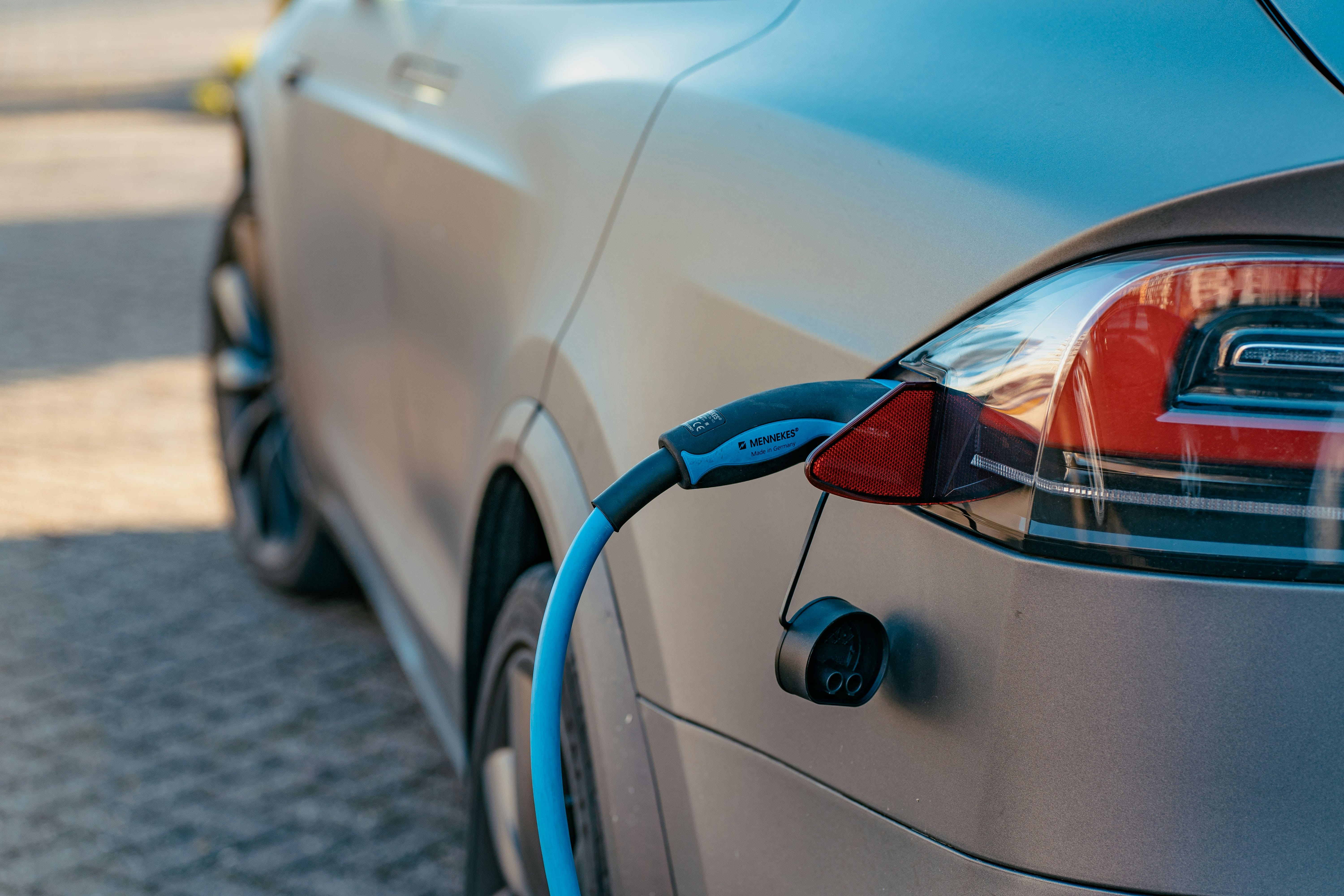
Fiscalité de la voiture électrique en entreprise : le guide complet 2026
Tous les barèmes 2026 de la fiscalité des véhicules électriques de flotte : amortissement, avantage en nature, TVA, taxes annuelles, verdissement LOM. Et le poste souvent oublié, la recharge à domicile.
Company
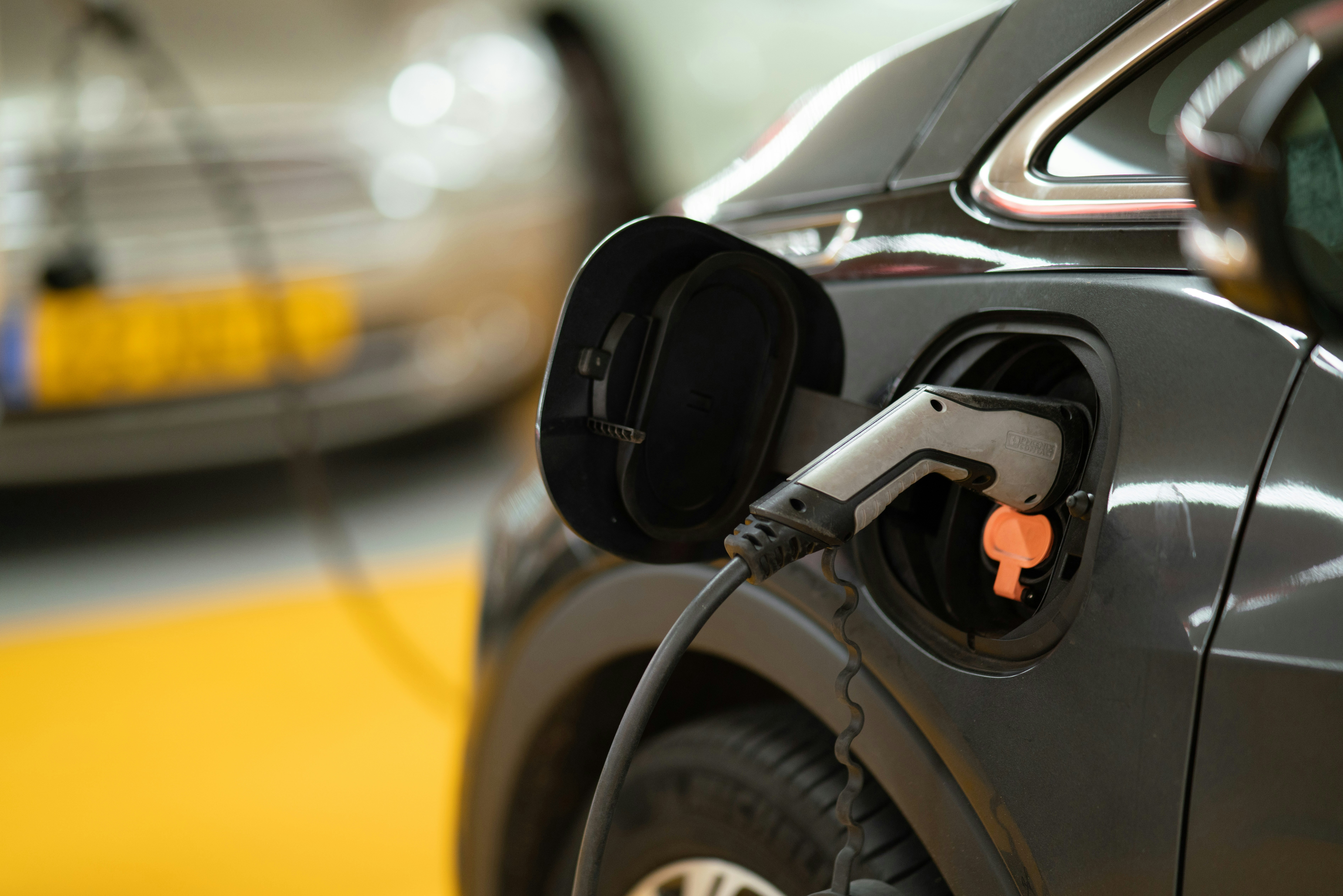
How to reimburse employees for home charging of company EVs: the 2026 compliance guide
How to reimburse employees for home charging of company EVs, compliantly. Flat-rate vs actual cost, the records you need, and the real home vs public saving.
Operator
Home charging: the overlooked blind spot of fleet electrification (2026)
Home charging is where most fleet EV energy is delivered, yet it stays invisible on the balance sheet. Here is how to close the blind spot in 2026.